
Home Design Trends vs. Timeless Style: How to Make Choices That Last
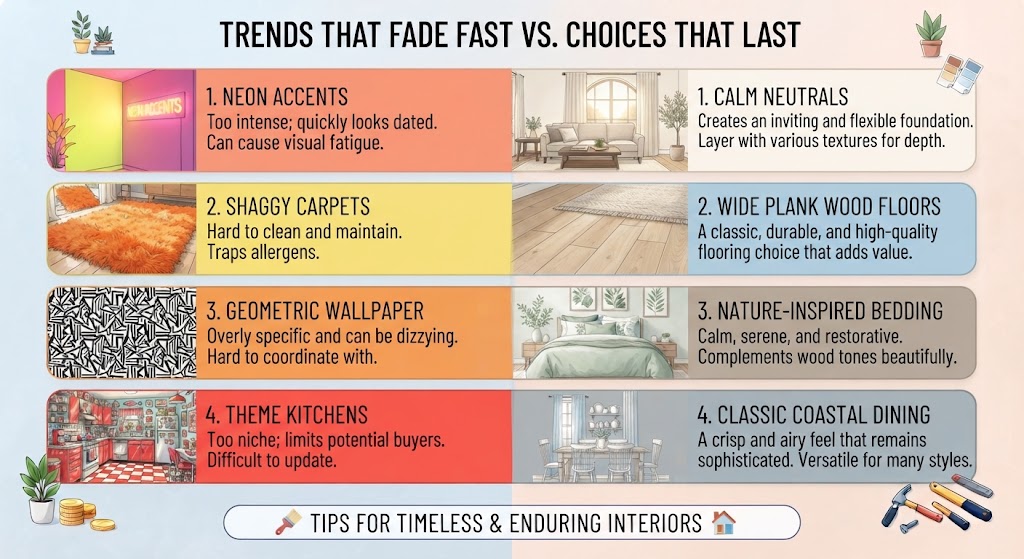
Every season brings a new look to interior design. A particular paint color becomes popular, a distinctive tile pattern appears in countless kitchens, or a new furniture finish suddenly seems to be everywhere. These trends can make a home feel fresh and contemporary, but their popularity rarely lasts forever.
A few years later, some of those once-fashionable choices can make a home feel dated. That doesn’t mean you should avoid trends altogether. The challenge is knowing where to embrace them and where to invest in design choices that will remain appealing for years.
Whether you’re planning a complete remodel or simply refreshing a room, understanding the difference between a passing trend and a lasting design principle can help you create a home that feels current without requiring constant updates.
What Makes an Interior Design Trend?
Trends gain popularity because they offer something new. They might introduce an unexpected color combination, a distinctive material, a particular furniture shape, or a different way of arranging a room.
Social media, design publications, home improvement shows, and retail collections can accelerate their popularity. Once a look becomes widely visible, homeowners may be tempted to incorporate it into their own spaces.
There is nothing inherently wrong with that. Trends can introduce fresh ideas and encourage people to experiment with their homes.
The difficulty arises when a highly specific look is repeated everywhere. A finish or pattern that once felt distinctive may eventually become strongly associated with a particular period.
This is especially important when the trend involves expensive or permanent elements, such as flooring, countertops, cabinetry, or extensive tile installations. Replacing these features can be costly, even when the original choice was perfectly functional.
The goal isn’t to predict which trend will disappear next. It’s to understand how much commitment a particular design choice requires.
What Makes a Design Choice Timeless?
Timeless interiors aren’t necessarily traditional, neutral, or minimalist. They can be modern, colorful, and full of personality. What distinguishes them is that their appeal doesn’t depend entirely on what happens to be fashionable at the moment.
Several principles tend to stand the test of time.
Simplicity and Clean Lines
Simple shapes and balanced designs can adapt to different decorating styles. A well-proportioned table, an uncomplicated cabinet design, or a thoughtfully arranged living room can remain attractive even as decorative preferences change.
Simplicity doesn’t mean eliminating character. It means creating a design in which individual elements work together rather than compete for attention.
Quality and Durability
Materials and furnishings that are well made often age more gracefully than items chosen solely for their immediate visual impact.
Durable flooring, solid construction, quality hardware, and furniture designed for regular use can provide long-term value. Even when styles evolve, these elements may continue to serve their purpose.
Quality doesn’t always mean buying the most expensive option. It means choosing materials and products appropriate for their intended use, maintenance requirements, and expected lifespan.
Natural Materials
Wood, stone, linen, clay, and other natural materials have a long history in residential design. Their textures and variations can add warmth and depth without relying on a particular trend.
Natural materials also tend to work well with a wide range of colors and styles. A wooden dining table, for example, can complement a contemporary interior today and a more traditional setting in the future.
Their appearance will change with use and age, but that can be part of their appeal.
Good Proportions
A room’s proportions often matter more than its decorative details. Furniture that fits the space, comfortable circulation routes, appropriately sized lighting, and a balanced arrangement can make a room feel right for years.
A beautiful piece of furniture may still be a poor choice if it overwhelms the room or obstructs movement. By contrast, a well-planned layout can remain functional even when the colors and accessories change.
Personal Meaning
Perhaps the most important element of lasting design is personal connection.
A piece of artwork collected during a trip, a family heirloom, or a table that has been part of your home for decades can remain meaningful regardless of current fashion.
Homes that reflect their owners’ interests and experiences often feel more authentic than interiors assembled entirely around a single design trend.
The Layering Approach: Where to Spend and Where to Experiment
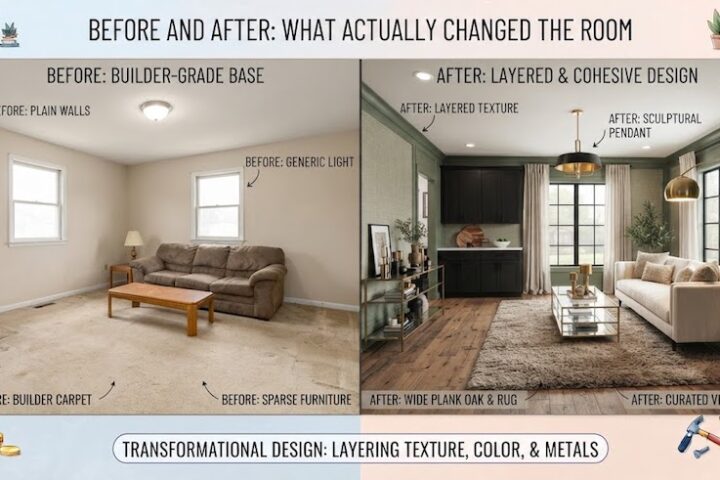
One practical way to balance current trends with lasting style is to think of your home in three layers. Each layer has a different purpose and a different cost of change.
1. The Foundation: Floors, Walls, and Built-Ins
These elements are often expensive or disruptive to replace. Choose materials, colors, and finishes that work with the architecture of your home and can accommodate different decorating styles.
Classic doesn’t have to mean plain. Natural wood grain, textured finishes, and subtle variations in stone can add plenty of character without tying the entire room to a specific trend.
For example, versatile flooring and understated countertops can provide a foundation for both contemporary and traditional furnishings. You can then change the room’s appearance through paint, textiles, and accessories without replacing major surfaces.
2. The Furnishings: Sofas, Tables, and Lighting
Furniture occupies a significant amount of visual space, so its proportions, construction, and versatility matter.
Choose pieces that suit the room and support the way you live. A comfortable sofa, a well-made dining table, and appropriately scaled lighting can remain useful even as your decorative preferences evolve.
You can introduce fashionable shapes, colors, or finishes, but consider whether each piece will work if you change the room’s color scheme or rearrange the furniture later.
Versatility is particularly valuable when buying expensive items that you expect to keep for many years.
3. The Accents: Pillows, Artwork, and Accessories
Smaller decorative elements are ideal places to experiment with trends. Cushions, throws, vases, artwork, and decorative objects can introduce new colors or patterns without requiring a major renovation.
If a particular shade becomes popular, try it through textiles or accessories before committing to it on expensive surfaces. When your taste changes, these details are generally easier and less costly to update.
A versatile foundation gives you the freedom to refresh your home without starting from scratch.
Try a Trend Before Making a Big Commitment
If a new design idea catches your attention, you don’t have to decide immediately whether it belongs in your home permanently.
Start with a small, reversible change and live with it for a while. This gives you a chance to discover whether you enjoy the look in your everyday environment or whether its appeal was mainly the excitement of seeing something new.
You might try a colorful cushion or throw, a decorative lamp in a fashionable finish, an accent wall, a contemporary piece of artwork, or removable wallpaper in a small area.
Pay attention to how the new element looks in different lighting conditions and alongside your existing furniture. Notice whether it continues to feel right after the initial excitement fades.
If you still enjoy it after several months, you may decide it deserves a more prominent place in your home.
Avoid Overcommitting to Highly Specific Styles
Some trends are more difficult to live with over the long term because they create a very distinctive visual identity.
An unusual tile pattern throughout a bathroom, elaborate built-ins designed around one particular aesthetic, or a strong color used on every major surface may limit your options when you want to change the room later.
Before committing, consider the cost and effort involved in reversing the decision.
For example, a bold color on a wall is relatively easy to change. The same color used on custom cabinetry or expensive countertops may be much harder to replace.
This doesn’t mean distinctive design is a mistake. If you genuinely love a particular look and expect to enjoy it for many years, it may be the right choice for you. The important thing is to make the decision deliberately rather than feeling pressured to follow a trend.
Think About Your Home as a Whole
A home doesn’t need to look identical from room to room, but a sense of continuity can help it feel thoughtfully designed.
Repeating a few colors, materials, or finishes creates visual connections between spaces. Similar wood tones, related wall colors, or consistent metal finishes can help different rooms feel connected without making them repetitive.
This approach also makes future updates easier. When the main elements of your home work together, you can change the artwork in one room or introduce a new accent color in another without disrupting the entire design.
Before starting a major project, consider how the proposed materials and finishes will relate to adjacent rooms, flooring, natural light, and the home’s architectural features.
A design that looks impressive in isolation may not work as well when viewed as part of the complete home.
Consider How Long You Plan to Stay
Your expected timeline can influence how much you should invest in a particular design choice.
If you plan to stay in your home for many years, personal enjoyment may be more important than whether every feature appeals to a potential buyer. A distinctive kitchen backsplash or a colorful study could be worthwhile if it makes the home more enjoyable for you.
If you expect to sell in the near future, broader appeal and the cost of reversing highly specific choices may deserve more attention. A local real estate professional can help you understand what buyers in your market tend to value.
In either situation, avoid assuming that a fashionable feature will automatically increase resale value. The result depends on the local market, the quality of the work, the overall property, and the preferences of potential buyers.
A practical approach is to prioritize functionality and quality, then decide where personal expression makes the most sense.
A Simple Test for Every Design Decision
Before committing to a new finish, furnishing, or decorative feature, ask yourself four questions:
-
Will I still enjoy this when it is no longer fashionable?
-
Does it work with the architecture and proportions of my home?
-
How difficult and expensive would it be to change later?
-
Am I choosing it because I genuinely like it or because I keep seeing it everywhere?
You don’t need four perfect answers before making a decision. These questions simply help you separate lasting preferences from temporary excitement.
A trend can still be a good choice if it suits your home and your taste. Likewise, a supposedly timeless feature isn’t automatically right for every space.
Build a Home That Reflects You
The most appealing homes rarely look as though every decision was made at the same time. They develop gradually, combining practical improvements, meaningful possessions, and design choices that reflect the people who live there.
Trends can play a role in that process. They introduce new ideas, encourage experimentation, and sometimes reveal styles you wouldn’t otherwise have considered. But they work best when they complement your own preferences rather than dictate every decision.
Start with a solid foundation, choose furnishings that suit your space, and leave room for creativity in the details. Mix older pieces with newer ones, keep an eye on quality, and allow your home to evolve naturally.
The goal isn’t to create a home that never changes. It’s to create one that you can continue to enjoy without feeling that every new season requires another expensive update.
For more inspiration, read our guide to timeless home color palettes and discover how to choose colors that remain appealing beyond the latest design trends.


Comments
0 commentsNo comments yet. Be the first to share your experience.