

Kitchen Backsplash Ideas That Never Go Out of Style
A kitchen backsplash is more than just a protective surface behind your countertops. It is the finishing detail that brings the entire kitchen together. Sitting at eye level, it catches natural light, adds texture and color, and helps define the character of the space. But while kitchen trends come and go, a well-chosen backsplash can remain attractive for many years.
For homeowners across Delaware, from Wilmington and Newark to Middletown, Hockessin, and surrounding communities, choosing a timeless backsplash is an important part of planning a kitchen renovation. The goal is to find a design that complements your countertops, cabinetry, and flooring without becoming outdated after a few years.
Classic Materials That Stand the Test of Time
Some backsplash materials have remained popular because of their simplicity, versatility, and ability to work with different kitchen styles.
-
Subway tile: Its clean rectangular shape works beautifully in traditional, transitional, and modern kitchens. It is one of the easiest ways to create a timeless look.
-
Handcrafted-look tile: Slight variations in color and surface texture bring warmth and character to the kitchen without making the design feel overwhelming.
-
Natural stone: Marble, granite, and other natural stones create a sophisticated appearance. Using a stone backsplash that complements your countertop can produce a seamless, coordinated look.
-
Simple painted walls: In kitchens where a quieter appearance is preferred, a durable, washable wall finish can create a clean and understated aesthetic in areas where additional tile protection is not required.
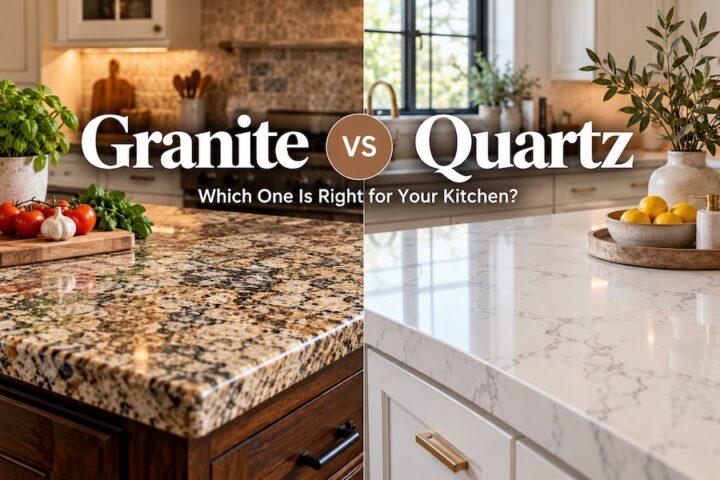
Natural stone deserves particular attention. Granite countertops, for example, can be paired with complementary stone or tile backsplashes to create a balanced design. The natural variations in granite add depth and character, making each kitchen feel distinctive.
Choose Texture Instead of Bold Colors
A backsplash does not need a dramatic color to make an impression. Sometimes, texture creates a more sophisticated result.
Subtle waves, ribbed surfaces, handcrafted finishes, and lightly reflective tiles can add dimension without dominating the room. Neutral shades such as white, cream, beige, and soft gray are especially versatile because they work with a wide range of countertop materials.
This approach is particularly useful if you are investing in natural stone countertops. A textured but understated backsplash allows the stone’s natural patterns to remain the focal point.
Add Personality Through Small Details
If you want your kitchen to have a distinctive look, consider introducing decorative elements in limited areas.
A patterned backsplash behind the stove, a narrow strip of contrasting tile, or a decorative niche can add personality without overwhelming the overall design. These smaller design features also make future updates easier if your preferences change.
The key is balance. When your countertops already feature strong natural veining or distinctive granite patterns, a simpler backsplash often creates a more attractive result.
Coordinate Your Backsplash With Countertops and Cabinets
A backsplash should never be selected in isolation. Its appearance depends heavily on the materials and colors surrounding it.
Before making a final decision, consider how the backsplash will work with:
-
Countertop color, pattern, and surface finish
-
Cabinet door style and color
-
Flooring materials and tones
-
Kitchen lighting and natural daylight
-
Hardware, faucets, and other decorative details
For Delaware homeowners planning a kitchen upgrade, looking at countertop and backsplash samples together can prevent costly design mistakes. A white backsplash, for example, may look completely different beside a warm beige granite countertop than it does beside a cool gray quartz surface.
If possible, examine samples in both natural daylight and evening lighting. Artificial lighting can significantly change how certain colors and finishes appear.
Don’t Overlook Grout Color
Grout may seem like a minor detail, but it can have a major impact on the final appearance of a backsplash.
Matching grout creates a subtle, continuous surface, while contrasting grout emphasizes individual tiles and creates a more defined pattern. White subway tile with light gray grout, for instance, offers a slightly more detailed appearance than the same tile installed with white grout.
Your choice should depend on the overall kitchen design and the visual effect you want to achieve. Practical considerations also matter: some grout colors and finishes are easier to maintain than others.
Consider Natural Stone for a More Cohesive Kitchen
One increasingly popular approach is to coordinate the backsplash with the countertop material. This can create a refined, unified appearance, especially in kitchens featuring granite, marble, or quartz countertops.
A matching or complementary stone backsplash can extend the countertop’s visual character onto the wall. Alternatively, a contrasting tile can provide a subtle separation between the two surfaces.
Troy Granite helps homeowners explore countertop materials and design possibilities for kitchen renovation projects in Delaware and surrounding areas. When comparing granite, quartz, and marble, it is worth considering how each countertop option will work with the backsplash, cabinetry, and overall kitchen layout.
Thinking about these elements together makes it easier to create a kitchen that feels intentional rather than assembled from separate design choices.
Choose a Design You Will Still Love in Ten Years
The best backsplash is not necessarily the most expensive or fashionable option. It is the one that complements your kitchen, meets your practical needs, and continues to look attractive as design trends evolve.
Whether you are updating a kitchen in Wilmington, renovating a home in Newark, or planning a complete kitchen transformation elsewhere in Delaware, prioritize materials, colors, and finishes that work together.
A timeless backsplash should enhance your countertops rather than compete with them. When the materials, textures, and colors are thoughtfully coordinated, the result is a kitchen that feels comfortable, balanced, and beautiful for years to come.
Comments
0 commentsNo comments yet. Be the first to share your experience.