
Home Improvements That Add Value: Which Remodeling Projects Are Worth It?
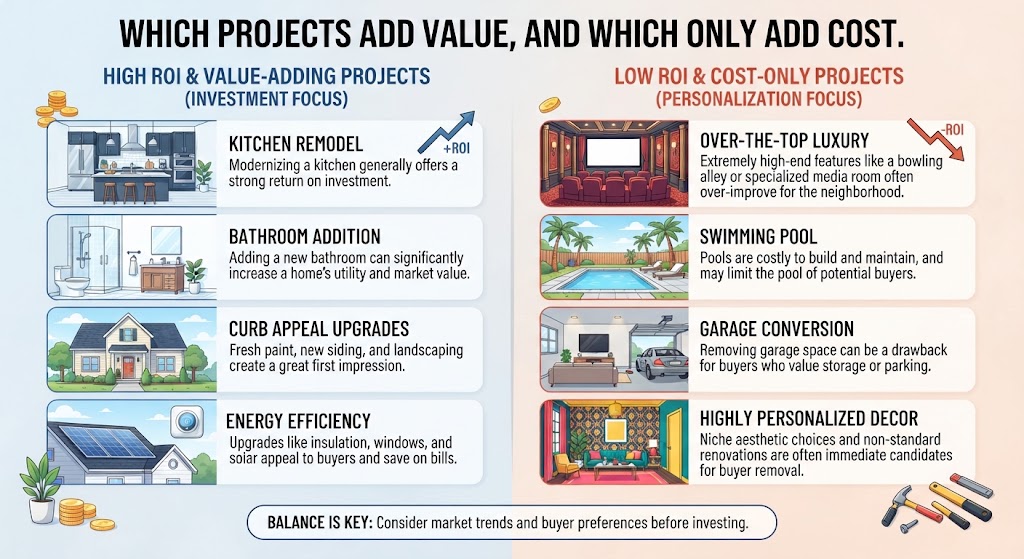
Every homeowner wants a remodeling project that pays off. But when it comes to home improvements, value means more than the number you might see on a future sale price. It also includes the comfort you enjoy every day, the functionality of your living space, and the time and money you save through better design and easier maintenance.
Some renovations can make a home more attractive to potential buyers while improving your quality of life in the meantime. Others are primarily about personal enjoyment. Neither approach is necessarily wrong. The key is understanding what you want from the project before you start spending money.
If you’re planning a remodel, think beyond the immediate transformation. Consider how the improvement will serve your household today, how well it will hold up over time, and whether it will appeal to someone else if you eventually decide to sell.
A friendly note: This article provides general information, not financial advice. Remodeling costs, buyer preferences, and resale values vary by location and market conditions. A local real estate professional or qualified contractor can help you evaluate the options for your area.
Start With Improvements That Make Everyday Life Better
The most successful remodeling projects often solve a practical problem while making a home more comfortable and attractive. You don’t necessarily need an expensive renovation to make a meaningful difference. Sometimes, improving the layout, adding storage, or updating worn finishes can change how a space feels and functions.
Here are a few improvements worth considering.
Kitchens and Bathrooms
Kitchens and bathrooms are central to everyday life, and their condition can influence how buyers perceive a property. A dated kitchen with limited counter space or a bathroom with worn fixtures may make a home feel less functional than it actually is.
A remodel doesn’t always require a complete transformation. Replacing outdated hardware, improving lighting, refreshing cabinets, updating faucets, or choosing durable countertops can give these spaces a cleaner, more modern appearance.
For larger projects, focus on functionality as much as appearance. Adequate storage, efficient layouts, good ventilation, and durable materials can make a kitchen or bathroom more enjoyable to use and easier to maintain.
Storage That Reduces Clutter
A well-organized home often feels larger and more comfortable, even when its actual square footage stays the same.
Built-in shelving, better closet systems, pantry storage, and practical entryway cabinets can help make everyday routines easier. These improvements are especially useful in busy households where shoes, coats, cleaning supplies, and other belongings tend to accumulate.
Thoughtful storage also helps rooms look more spacious. Rather than adding decorative features that take up valuable floor space, consider solutions that make better use of the areas you already have.
Better Lighting and Natural Light
Lighting can dramatically influence the appearance of a home. Dark rooms may feel smaller and less inviting, while well-lit spaces tend to feel more open and comfortable.
Start by assessing the lighting you already have. Replacing outdated fixtures, adding task lighting in the kitchen, or improving illumination in hallways can make a noticeable difference. Where practical, window improvements or design changes that maximize natural light may also enhance a room’s appeal.
The goal is to create lighting that works for the way you live. A bright kitchen, a comfortable reading corner, and well-lit bathroom mirrors all contribute to a home that feels thoughtfully designed.
A More Functional Entryway
The entryway is one of the first areas you encounter when coming home, and it is often the first interior space visitors see.
A practical mudroom or organized entrance can provide a dedicated place for shoes, coats, bags, and outdoor equipment. Even a small space can become more useful with wall hooks, a storage bench, durable flooring, and a few well-planned shelves.
These improvements are particularly helpful for households with children, pets, or active outdoor routines. They can also protect the rest of the home from dirt and moisture.
Take Care of the Fundamentals
Some of the most valuable improvements are the least glamorous. Repairing leaks, addressing poor ventilation, replacing damaged materials, and resolving electrical or plumbing problems can protect the property and prevent more expensive issues later.
Buyers may not immediately notice a repaired gutter or improved attic ventilation, but they are likely to care about the condition of the home and the possibility of costly repairs.
Before investing heavily in cosmetic changes, make sure the essential systems and structural components are in good condition. A beautiful kitchen cannot compensate for an ongoing water problem.
Don’t Underestimate Curb Appeal
A home’s exterior shapes the first impression long before a visitor reaches the front door. A well-maintained exterior can make a property feel welcoming, cared for, and ready to enjoy.
Fortunately, improving curb appeal doesn’t always require a major construction project.
<text color=”secondary” size=”sm”>Exterior improvements worth considering</text>
-
Refresh the front door. A clean, well-maintained door, updated hardware, and an attractive finish can give the entrance a more polished appearance.
-
Improve the landscaping. Trim overgrown plants, maintain the lawn, add suitable seasonal flowers, and keep walkways clear.
-
Update exterior lighting. Well-placed lights can improve visibility and make the entrance feel more inviting after dark.
-
Repair visible wear. Peeling paint, damaged trim, loose railings, and cracked walkways can make an otherwise attractive property look neglected.
-
Keep the exterior clean. Clean siding, windows, and entry paths can make a substantial difference without requiring extensive renovation.
When choosing exterior improvements, consider the home’s architectural style and the surrounding neighborhood. The aim is to make the property look cared for and cohesive, not to spend money on features that don’t fit the house.
Make Room for Projects That Bring You Joy
Not every remodeling decision needs to be justified by resale value. Your home is where you spend your time, pursue your interests, and build your daily routines. It should reflect those priorities.
A dedicated hobby room, a custom closet, a bold accent wall, or an outdoor kitchen may bring tremendous satisfaction, even if the improvement doesn’t translate directly into a higher sale price.
The important distinction is between personal value and market value. Personal value comes from how much you enjoy an improvement. Market value depends on factors such as buyer demand, location, workmanship, and the overall condition of the property.
These two forms of value can overlap, but they are not identical.
If you plan to stay in your home for many years, a space designed around your interests may be well worth the investment. If you expect to sell soon, consider how much you are willing to spend on a feature that future buyers might not use.
There is no need to avoid distinctive design choices altogether. Just make sure you understand what you’re prioritizing and how the project fits your broader plans.
Be Selective With Highly Personal Design Choices
Bold design can give a home character, but highly specific choices may not appeal to everyone. Unusual tile patterns, elaborate built-ins, specialized hobby rooms, and distinctive permanent finishes can be difficult or expensive to change.
This doesn’t mean every home should look neutral or identical. It simply means that the location and scale of your design choices matter.
If resale flexibility is important, consider keeping large, expensive-to-replace surfaces relatively timeless. Flooring, major tile installations, countertops, and permanent cabinetry typically require more effort to update than paint, decorative accessories, or light fixtures.
You can still introduce personality through color, artwork, textiles, statement lighting, and other elements that are easier to replace.
This approach gives you room to express your taste without making every design decision a permanent commitment.
Let Your Timeline Guide Your Decisions
How long you expect to stay in your home should influence the improvements you prioritize.
If You Plan to Stay for Many Years
Focus on comfort, durability, and functionality. Invest in improvements that solve everyday problems, support your household’s changing needs, and make the home more enjoyable to live in.
A better kitchen layout, more efficient storage, or a comfortable outdoor living area may provide years of practical benefits. In this situation, choosing the least expensive option isn’t always the best strategy. Materials that last longer or require less maintenance may offer better long-term value.
If You Expect to Sell Soon
Prioritize repairs, cleanliness, and broad appeal. Address visible damage, refresh worn finishes, improve lighting, and make sure the home feels well maintained.
Before undertaking a major renovation, talk with a local real estate professional about what buyers in your area actually value. You may discover that a modest update is more sensible than a costly project with uncertain returns.
Remember that no remodeling project guarantees a particular increase in resale value. Market conditions, comparable properties, workmanship, and the cost of the improvement all affect the outcome.
Remember That Maintenance Protects Value
It is easy to focus on the visible transformation of a remodeling project. New cabinets, modern fixtures, and attractive finishes are exciting. Routine maintenance, by comparison, rarely receives the same attention.
Yet maintaining the roof, gutters, drainage, plumbing, heating and cooling systems, and exterior finishes helps protect the home as a whole.
Neglecting a small problem can allow it to become a much larger expense. A leaking gutter, for example, may contribute to moisture damage if it is left unaddressed. Similarly, ignoring a minor plumbing leak can eventually affect cabinets, flooring, or nearby walls.
Before committing your entire budget to cosmetic upgrades, assess the property’s maintenance needs. Address urgent repairs first, then allocate the remaining funds to improvements that fit your priorities.
A well-maintained home with sensible upgrades can be a stronger long-term investment than a visually impressive property with neglected essentials.
Four Questions to Ask Before Starting a Remodel
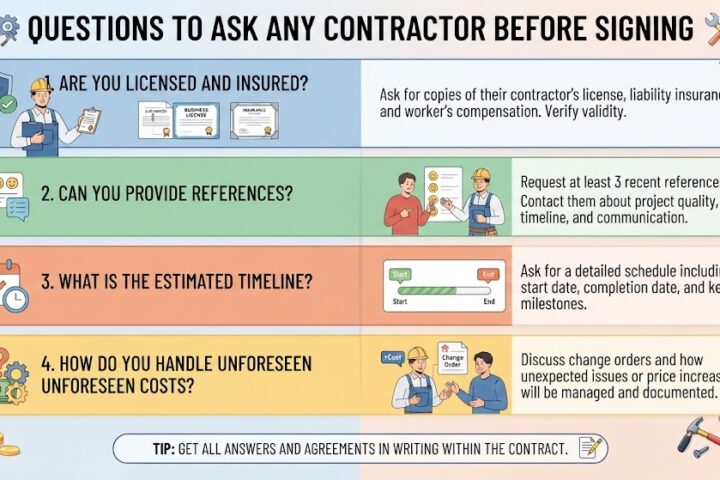
Before approving a contractor’s estimate or purchasing materials, take a moment to evaluate the project from four perspectives.
1. Will I enjoy this improvement every day?
Think about how the project will affect your daily routine. Will it make cooking easier, create more usable space, improve comfort, or solve a problem you regularly encounter?
2. Is it likely to appeal to future buyers?
You cannot predict every buyer’s preferences, but practical layouts, good maintenance, quality workmanship, and attractive finishes tend to be broadly useful.
3. How difficult or expensive would it be to change later?
Consider the long-term implications of permanent design choices. If an element is expensive to replace, make sure you are comfortable with the decision before committing.
4. Does it make the home work better?
The strongest projects often improve functionality alongside appearance. Better storage, improved lighting, more efficient layouts, and durable materials can make a house easier to live in and maintain.
A project that answers yes to most of these questions is often a sensible place to start. Still, the final decision should reflect your budget, the condition of your home, and what matters most to your household.
Choose Lasting Value Over Short-Lived Trends
Home design trends come and go. A finish that looks fresh today may feel dated in a few years, while a practical layout and well-made materials can remain useful for much longer.
That doesn’t mean you need to avoid every trend. It means you should distinguish between features that are easy to update and changes that require a significant investment to reverse.
When planning your remodel, prioritize functionality, quality, and a design that suits the house. Add current styles where they make sense, but avoid letting temporary trends dictate expensive decisions.
For more guidance, explore our article on trends that fade fast versus choices that last.
Ultimately, the best remodeling projects do more than make a home look different. They make it more comfortable, functional, and enjoyable while protecting the investment you’ve already made. By balancing your personal priorities with long-term practicality, you can create a home that works better for you today and remains appealing for years to come.
Comments
0 commentsNo comments yet. Be the first to share your experience.